
Bring Real Learning Home—Explore Interactive Classes That Matter
Unwrapping Our Course: "Endurance Training That Works in Real Life"
Welcome to Adelun, where you can actually see your progress, not just hope for it. Our approach? We focus on practical skills and clear goals—I've found that when learning feels real and measurable, it's way more motivating. Want to know if you're actually getting better? Here, we've built everything so you don't have to guess.

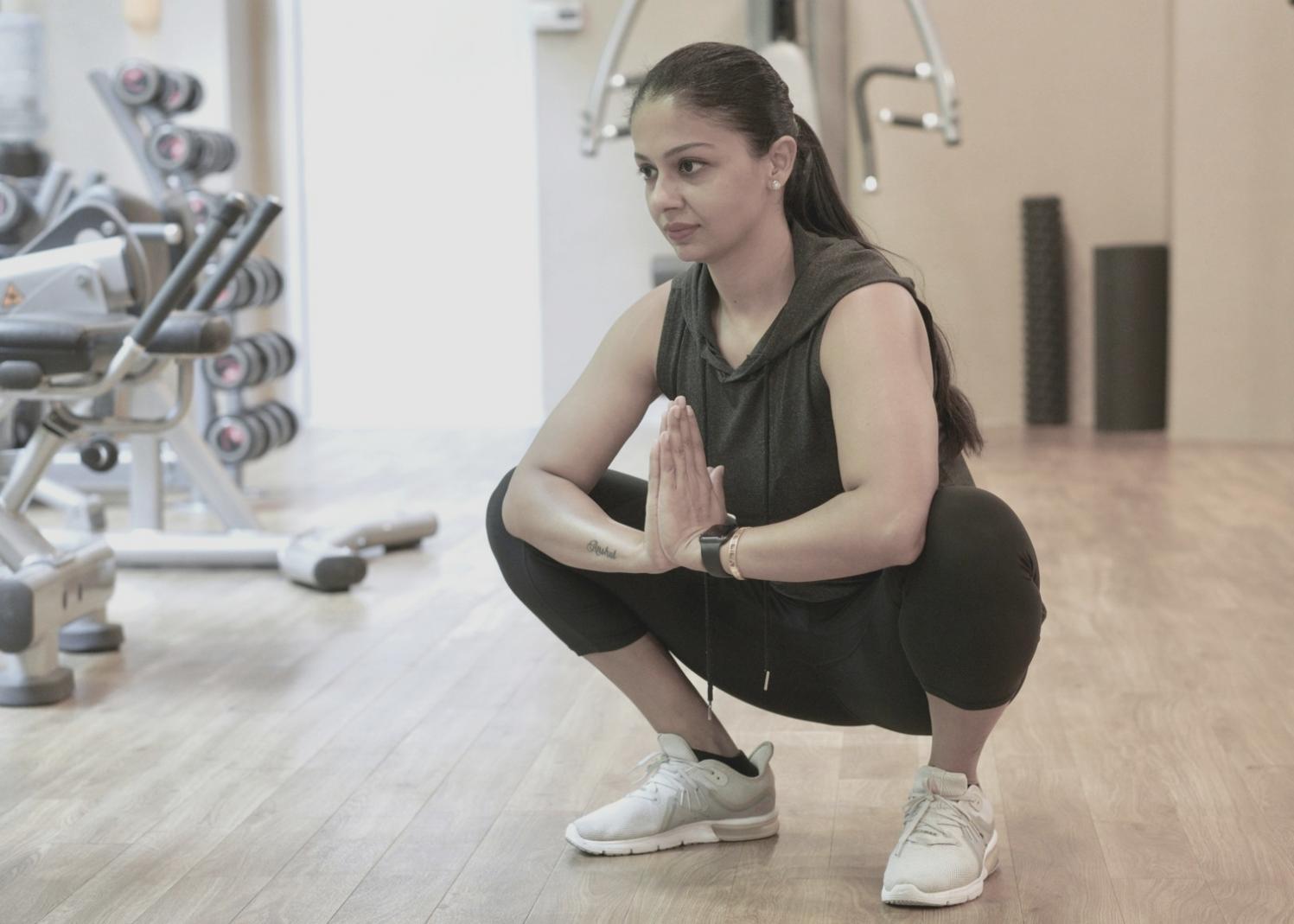

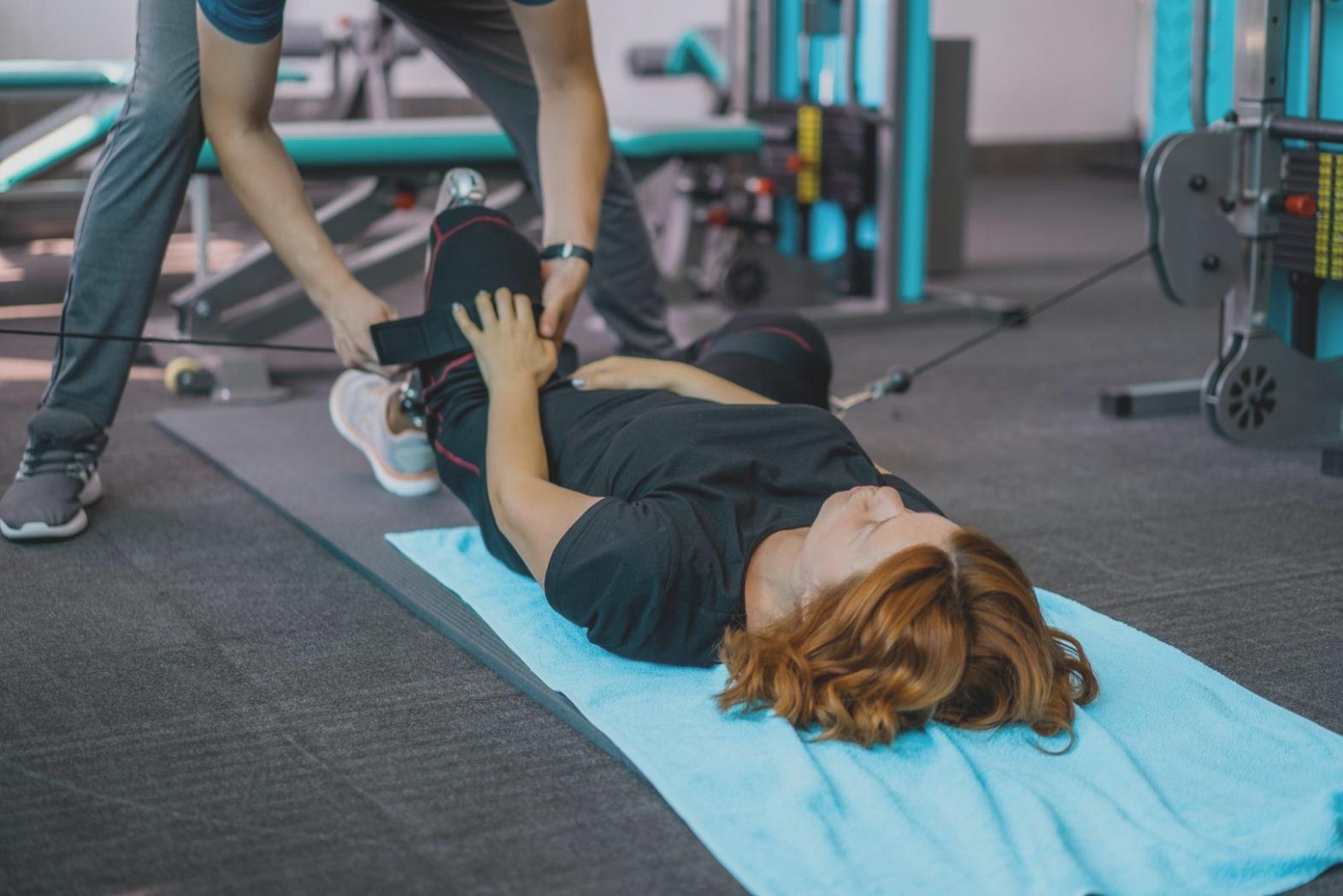
Step In—Let’s Build Endurance Together
When we started shaping our approach to endurance training, we didn’t set out to just stack up facts or routines. The goal was—still is—to help people build something deeper and longer-lasting, something that actually sticks. That’s why we named this experience “health.” It’s not just about hitting a certain pace or ticking off miles. It’s health in the layered sense: physical stamina, mental resilience, and the ability to recover—both in the moment and over a season. These three areas have shown up, again and again, as the biggest difference-makers. Not every participant notices this right away, but eventually, it’s what they remember most. The instructor’s role here isn’t to simply hand over a map. Sure, we offer structure and tools—periodization, pacing strategies, honest feedback—but discovery is personal. I’ve watched people surprise themselves, sometimes after a session that felt terrible, only to realize they bounced back faster than before. That’s the kind of learning you can’t manufacture. Sometimes, as instructors, we step back, resisting the urge to over-explain, because real progress often comes from wrestling with discomfort. But it’s a balance. There are days when a little nudge or a small technical correction changes everything. No two learners respond in exactly the same way, and that unpredictability keeps things interesting. Mastery doesn’t really announce itself with a single milestone. It’s more like a steady accumulation of small wins: noticing you’re less nervous before interval work, or that your form holds up when you’re tired, or that you can finally trust your own pacing instincts. In the early weeks, a lot of people measure themselves against numbers—splits, heart rate, session length—and that’s fine. But after a while, the indicators shift. You see it in how someone manages their energy during a session, or how quickly they recover between intervals. Sometimes it’s just a quiet confidence in their posture or the way they talk about setbacks. These things aren’t always easy to quantify, but they matter more than most realize. I’ll admit, the progression isn’t always smooth. Life gets in the way—injuries, plateaus, motivation dips. We’ve built in space for that, too, because, honestly, nobody’s journey is a straight line. The sequence of concepts in this offering didn’t appear fully formed; it evolved through trial, error, and a lot of listening—both to participants and to each other. Occasionally, something we thought was essential turned out to be less important than a well-timed conversation about doubt or fatigue. That’s the reality: endurance, in practice, is as much about adaptability as it is about any one training principle. If there’s a secret, it’s probably that.
Book NowExploring Digital Intensives
At Adelun, the online learning experience feels surprisingly personal, almost like you’re sitting across from your instructor in a cozy, well-lit room—even though, really, you’re just in your pajamas with coffee nearby. Students jump right into hands-on activities: there’s a mix of live video sessions where you can ask questions mid-sentence, plus interactive assignments that make you pause and think, “Wait, am I actually getting this?” I remember once fumbling through a language exercise, and an instructor just popped into the chat, nudged me in the right direction, and suddenly it all clicked. The platform isn’t just a stack of recorded lectures; it’s more like a series of back-and-forths, with real feedback and a sense that someone’s actually rooting for you. Sometimes, you’ll find yourself debating with classmates in discussion boards late at night, fueled by a stubborn curiosity and maybe too much caffeine. And honestly, the whole thing feels like you’re moving at your own pace—some days you breeze through, other days you get stuck, but there’s always a path forward. The best part? You never really feel like you’re learning alone.

Skillful Endeavors: What You'll Acquire
-
Enhanced attention to detail
-
Heightened adaptability to technology
-
Increased efficiency in coordinating virtual internships in public relations
-
Refined strategies for promoting online cybersecurity education
-
Enhanced adaptability to evolving digital tools
-
Improved understanding of online learning evaluation methods
Bronze
200 $What sets Bronze apart is its stripped-down focus—no frills, just the core essentials. For most people who land here, honestly, it’s the independence that matters; you get a plan, but you’re steering the ship. The feedback is set at fixed intervals, so if you thrive on daily check-ins, this might feel a bit sparse. Still, there’s guidance on structuring your weeks, and I’ve noticed people with unpredictable work or family schedules appreciate being able to adjust sessions without having to explain every change. One thing—direct access to a coach is limited, which means you’ll need to be comfortable figuring out minor snags on your own. If you’re looking to build consistency without a lot of hand-holding, this fits more often than not.
Gold
490 $Weekly one-on-one check-ins—people tend to really value that, especially when they’re juggling unpredictable schedules. There’s also the benefit of detailed progress analysis, not just surface-level graphs but genuine feedback that helps you adjust before you hit a plateau. Honestly, if you’ve ever felt like you’re training in a vacuum, this tier sort of breaks that isolation; you’ll know exactly where you stand week to week. And sometimes, it’s the small stuff, like having someone actually notice when your pacing shifts, that makes the biggest difference.
Silver
330 $The Silver option is really for the kind of person who’s moved past curiosity and wants feedback that’s regular, but not overwhelming—say, a detailed check-in every other week instead of daily tracking. And yes, it’s the follow-up notes on pacing that people tend to mention months later, sometimes even more than the actual workout plans. Those who come to Silver usually already have some structure in place; they’re not total beginners, but they’re not chasing elite times either (honestly, a lot of them have full-time jobs and just want to see progress without feeling chained to a spreadsheet). There’s room for questions, but not so much that it turns into hand-holding—just enough to keep you moving forward, with the kind of support that works quietly in the background when life gets a little messy.
Your Learning, Your Choice
Choosing how you invest in your own learning can make all the difference—at least, that’s been true for me. Everyone’s got their own pace and goals, right? Some folks want a deep dive, others just need the basics. The plans below are set up with that in mind, so you can match your ambitions and day-to-day realities. So, which learning option feels right for where you’re headed? Take a look:
Our Products Praised by Clients
A simple and effective learning experience—study online.
Our Professional Structure
-
Shaping the Future of Learning
Education has this uncanny way of reshaping how we see ourselves, doesn't it? A single lesson—well-timed and well-taught—can nudge someone from self-doubt to genuine confidence. Especially in endurance training, where the grind is real and the rewards hard-won, the right guidance can mean the difference between giving up and breaking through. That’s where Adelun stands out. Their approach is strikingly hands-on—think less lecture hall, more open dialogue. Instructors don’t just throw information at you and hope it sticks. Instead, they work alongside you, sharing personal stories, real setbacks, and those small victories that make the long hours worth it. I’ve noticed how their sessions feel more like conversations than classes, which makes the technical stuff a lot less intimidating. And honestly, it’s refreshing to see teachers who admit where they struggled themselves. But what really gets talked about among students is the results. People come out of Adelun’s programs not just fitter or faster, but with a clearer sense of purpose. They’re better at setting goals—both in training and outside of it. You hear folks say they’ve learned to be patient with themselves, to accept that progress isn’t a straight line. That mindset shift? That’s tough to teach, but somehow, Adelun pulls it off time and again. -
Our Online Education Model
What really sets their process apart, in my view, is how they blend scientific rigor with the messiness of real-world training. They don’t just drop a bunch of theory on you and call it a day. Instead, their team works closely with coaches, athletes, and even sports psychologists—sometimes hopping on calls that run way longer than planned—to make sure the materials feel grounded and relatable. I remember chatting with one of their writers who said she once spent an entire afternoon at the local track, just watching a group of marathoners go through their paces, jotting down little things most people would miss. That boots-on-the-ground research ends up woven into their digital modules, making them less like dry textbooks and more like a conversation with someone who’s actually been there. When it comes to content creation, they’re obsessed with getting the details right. One part of the process that always stands out to me is how they build out their interactive training scenarios. Instead of generic “choose your path” click-throughs, they base these scenarios on real athletes’ stories—sometimes anonymized, sometimes not. They’ll actually record interviews, pick apart training logs, and then shape those experiences into branching narratives. The end result? Learners aren’t just absorbing information—they’re making decisions, seeing the consequences, and (occasionally) failing in a safe environment. And honestly, that’s where the learning sticks. I’ve seen people come away from one of these modules saying, “Wow, that’s exactly what happened to me last season.” That kind of connection is hard to engineer, but somehow, they manage it.
Adeline
Remote Communication Coach
Adeline’s approach to teaching endurance training is, if anything, honest—she’ll draft out a session plan, but if a student veers off with an oddball question about lactate thresholds or pacing strategy, she’ll follow that thread, letting the discussion unravel into something a little unpredictable. Adelun says it’s her willingness to let the process get messy that’s changed the way we all think about our curriculum; sometimes Adeline will stop mid-lesson, shrug, and admit she’s not sure—inviting students to puzzle through the unknown alongside her. She’s got this knack for folding in stories from the early days of interval training—like how some coach in the ‘50s supposedly measured splits with cigarette smoke and a stopwatch—making the history feel oddly tangible. You’ll see her classroom cluttered with old race bibs and annotated charts, the kind of place where a question about heart rate variability might hang in the air for a week, resurfacing later when you least expect it; and her habit of swapping ideas with colleagues from biomechanics or nutrition means her students sometimes leave with baffling, oddly specific insights—like why marathoners used to swear by boiled potatoes at aid stations.